
American Psychological Association Division 50


Building the Future of Addiction Psychology Together: A Reflection and Call to Action
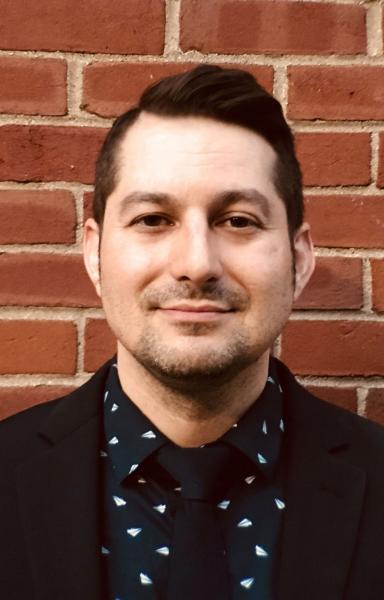
By Noah N. Emery, PhD; President, Society of Addiction Psychology
There are moments in a professional life that feel unexpectedly full circle. Giving my Presidential Address at APA this year was one of those moments.
I have spent much of my career inspired by and learning from the presidents of the Society of Addiction Psychology (SoAP) who came before me. I have been moved by their scholarship, their leadership, their advocacy for our field, and their commitment to the people who make up our community. Each president has left their mark on our Society and on addiction psychology. To have the opportunity to serve as President myself, and to stand at the podium where so many have stood before me, was a deeply humbling honor.
I chose The Science of Lived Experience: Reimagining Research Through Lived and Learned Expertise as this year’s theme because I believe addiction science is at its best when we bring different forms of expertise together, allowing each to inform, challenge, and strengthen the other. Scientific training and methodological expertise are essential. So, too, is the knowledge that comes from living with addiction, recovery, treatment, stigma, and the many other realities our science seeks to understand.
For too long, lived experience and scientific expertise have sometimes been treated as separate, and even competing, forms of knowledge. I believe we should instead ask ourselves what becomes possible when we intentionally bring them together. I believe our field is ready for this conversation, and that meaningful change does not necessarily require sweeping transformation. We can start with what is within our reach; making small, intentional choices about how we approach the work in our labs, classrooms, clinics, and communities. There are small changes we can make today that can have a lasting and meaningful impact.
First, we can recruit and train research assistants with lived experience. Talent is randomly distributed; opportunity is not. People with lived experience can help contextualize findings in ways that better reflect reality, identify research questions and practical barriers that researchers might otherwise miss, and bring scientific thinking into the communities where our work matters most. We should think of our labs not only as places where we produce science, but as places where we give science away. Many of the students and trainees we mentor will go on to work in frontline positions as clinicians, educators, advocates, administrators, and community organizers. We have an opportunity to equip them not only to consume scientific knowledge, but to carry scientific thinking with them into those spaces: to ask better questions, evaluate evidence, recognize uncertainty, and use what they know to improve the lives of the people they serve. This is not simply about “including” lived experience. It is about improving the quality, relevance, and impact of our science. It is about giving people access to the tools of science and expanding who gets to use them. When we do that, the impact of our work extends far beyond the studies we publish; it travels with our trainees into clinics, communities, and the lives of the people they serve.
Second, we can make space for lived experience in supervision and mentorship. Lived experience and professionalism are not mutually exclusive. People with lived experiences are in training programs all over the world. We can intentionally help trainees consider how their experiences and positionality inform their research and clinical practice, while creating environments where experiential knowledge can be thoughtfully integrated with professional training. Some of the most transformative innovations in our field remind us of what can happen when personal experience and professional expertise inform one another. Steven Hayes has described how his own panic disorder helped shape the questions and ideas that ultimately became Acceptance and Commitment Therapy (ACT). Marsha Linehan drew on her own history of emotional distress in developing Dialectical Behavior Therapy (DBT), a treatment that would fundamentally change how we approach chronic suicidality. Former SoAP president G. Alan Marlatt’s experience with high blood pressure led him to begin practicing meditation, a personal practice that became deeply intertwined with his scientific work and ultimately contributed to the development of Mindfulness-Based Relapse Prevention (MBRP). These are not simply interesting stories about their creators. These lived experiences generated new insights and ways to approach the work that were then subjected to scientific development and evaluation. The lesson is not that lived experience makes a treatment effective; it is that lived experience can generate perspectives and ideas that, when combined with scientific evaluation, can lead to transformative innovations. As mentors and supervisors, we have the opportunity to create spaces where people can bring their whole selves to the work. We can create the conditions for lived experience to become a source of insight, rather than something people feel they need to hide. However, we cannot know what insights might emerge until we make space for the conversation. Sometimes, opening the door and inviting someone in is the most important step.
Finally, we can use lived experience in our science communication. Human beings naturally make sense of the world through stories, which is one reason scientific findings can sometimes lose their meaning when separated from the lives they represent. Recent experimental research provides compelling evidence for the value of bringing these elements together. In a series of five randomized trials, Long and colleagues (2024) found that U.S. policymakers generally engaged more with substance use research when paired with lived experience narratives. Importantly, engagement was strongest when people with lived experience were able to tell their own stories. These findings offer an important lesson for how we communicate science. Effective science communication should connect our findings to the lived realities of participants, clients, families, and communities. Linking personal narratives to our academic discussions can illuminate our findings, deepen our understanding, and make our science more meaningful to the people we aim to reach. After all, remember every dot on every plot in every paper represents a living, breathing person with hopes and dreams, struggles and strengths, who has experienced moments of happiness, and been through things we cannot imagine just to make it to our doors. We should never lose sight of the person behind the data. People remember stories, and stories can help science change behavior.
None of this diminishes what we have accomplished or the need for scientific evaluation. Quite the opposite. It challenges us to ask better questions, recognize what we might otherwise overlook, and make our science more relevant and accessible to the people and communities we hope to serve.
So, my challenge to you this year is simple: pick one thing. Recruit one trainee with lived experience. Create one professional conversation where lived experience is welcome. Tell one scientific story that connects your data with the lives of your participants. Small changes in our labs, clinics, and classrooms can reshape the future of addiction science.
As I reflected on these ideas during my Presidential Address, I also found myself thinking about leadership. It was a powerful reminder that leadership is never really an individual accomplishment. None of us arrive at these moments alone. It is something we inherit, build upon, and ultimately pass forward. That is, we inherit a field shaped by those who came before us, benefit from the mentorship and generosity of our colleagues, and have a responsibility to create opportunities for those who will follow. That, perhaps, is what made this year feel so full circle.
My hope is that we continue building a field in which lived and learned expertise are not placed in opposition but recognized as complementary sources of knowledge. The strongest science emerges when they work together.
Serving as President of SoAP has been one of the greatest honors of my professional career. I am profoundly grateful to the members who entrusted me with this role, to the colleagues who made this year possible, and to all those who have invested in this Society before me. I hope we can continue to build a future for addiction psychology that is not only more inclusive, but also more rigorous, relevant, innovative, and human.
Science is better when we bring all possible expertise to the table.
References
Long, E. C., Loria, R., Pugel, J., O’Neill, P., Cioffi, C. C., Hsuan, C., ... & Scott, J. T. (2024). The power of lived experience in optimizing US policymakers’ engagement with substance use research: A series of rapid-cycle randomized controlled trials. Drug and Alcohol Dependence Reports, 13, 100299.

Resources are available for those struggling with addiction and numerous effective treatments exist. Whether you are looking for help for yourself or a loved one, we encourage you to seek out help.